After a deep dental cleaning, your gums may feel tender, your teeth may react to cold, and you might notice a little bleeding when you brush. If your mouth is still numb, wait until feeling returns before chewing. Follow the instructions from the dental team that treated you, especially if they gave you directions for a particular area of your mouth.
Deep dental cleaning, also called scaling and root planing, is a form of gum disease treatment. It removes plaque and hardened tartar from around teeth and their roots, including in deeper pockets beneath the gumline. It serves a different purpose from routine professional dental cleanings, and your dentist recommends it based on what they find during an evaluation.
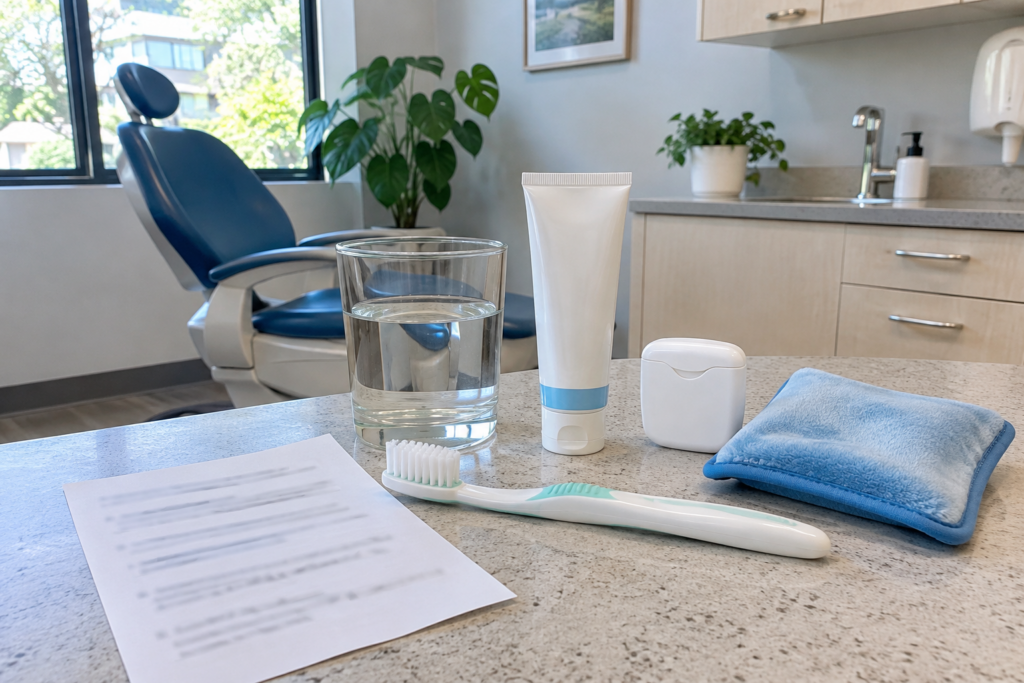
What You May Notice After Treatment
| What you may notice | What to do |
| Numb lips, cheeks, or tongue | Wait until feeling returns before chewing. Avoid hot drinks while numb so you don’t accidentally burn yourself. |
| Tender gums or a little bleeding | Follow your team’s instructions for gentle brushing and cleaning between teeth. Call if bleeding is heavy, continues, or increases. |
| Sensitivity to cold, heat, or sweets | Choose foods and drinks that feel comfortable. Ask your dental team for advice if sensitivity is intense, worsening, or lingering. |
| More visible spaces near the gumline | As swelling goes down, areas near the roots may become easier to see. Ask your dentist to check any changes that concern you. |
Some people notice soreness for a day or two and sensitivity for up to about a week, but those are examples rather than deadlines. Your experience may depend on how inflamed your gums were and how much of your mouth was treated. If your symptoms are getting worse instead of easing, check in with the treating office.
When to Call Your Dental Office
Call the office that treated you promptly if you have heavy or persistent bleeding, severe or worsening pain, increasing swelling, fever, or pus. You can also call if your symptoms aren’t improving as your team expected or if you’re unsure whether what you’re feeling is typical.
Seek emergency medical care immediately if you have difficulty breathing or swallowing, or if swelling is spreading rapidly in your mouth or face. Don’t wait for a routine dental appointment.
What to Eat and Drink While Your Mouth Is Tender
Once the numbness is gone, choose foods you can chew comfortably. Yogurt, scrambled eggs, oatmeal, or lukewarm soup are options if your gums feel sore. If you had only one side treated, you may find it easier to chew on the other side for a while.
Crunchy foods can bother tender areas, and very hot or cold drinks may trigger sensitivity. Let your coffee cool if heat bothers your teeth or gums. If chewing feels comfortable and your dental team hasn’t given you other instructions, you can return to your usual foods as tolerated.
If your treatment is split across visits, ask whether any instructions apply specifically to the side or section treated that day.
How to Brush and Clean Between Your Teeth
Tenderness can make you want to avoid the area. Ask your team to show you how to keep it clean without putting unnecessary pressure on sore gums. Follow any instructions they gave you for specific teeth or areas.
A soft-bristled toothbrush and light pressure can make brushing more comfortable. Guide the brush along the gumline instead of scrubbing. If you use an electric toothbrush, avoid pressing harder to reach a sore spot. Your dental team can show you how to adjust the angle or pressure.
Follow your team’s guidance about floss, small brushes that fit between teeth, or other tools. If a spot bleeds lightly during cleaning, avoid increasing pressure or repeatedly testing it. Ask your team how to care for that area if the bleeding continues or you’re not sure what to do.
If your dentist prescribed a rinse, use it according to their instructions. If sensitivity is making it hard to brush or eat comfortably, ask whether a toothpaste for sensitive teeth or another option is appropriate. Our oral hygiene education can help you find a routine you can follow at home.
Why Your Gumline May Look Different
Inflamed gums can look puffy. When the swelling goes down after treatment, your teeth may appear a little longer, or small spaces between them may become more noticeable. An exposed area near a root can also feel more sensitive than it did before.
Those changes alone don’t tell you how well treatment worked. Deep cleaning helps manage gum disease, but it does not mean lost gum tissue or bone will grow back. If a new space catches food, a root feels sensitive, or you’re concerned about the way an area looks, bring it up at your follow-up or call sooner if it’s bothering you.
What Happens at Your Follow-Up Visit?
Feeling less sore is encouraging, but how your mouth feels is only part of the picture. At follow-up, your dental team can check how the gums are responding, measure any remaining pockets around the teeth, and discuss whether an area needs more care. Bring up spots that are hard to brush or floss, even if they don’t hurt.
Your dentist may recommend periodontal maintenance after treatment. These visits help the team monitor gum health and remove buildup as needed. Some patients need maintenance more often than they previously came in for routine cleaning. Ask when to return and what your team will check at the next visit.
Ongoing preventive dental care can include comprehensive dental examinations and guidance on the areas you find hardest to clean.
Get Help With Your Gum Health in Wichita
At Wichita Family Dental, our Four C’s are Comprehensive, Convenient, Comfortable, and Compassionate care. After treatment, that means explaining what you may notice, helping you adapt your home care, and making sure you know whom to call if something doesn’t feel right.
If you’ve already had a deep dental cleaning, call the office that treated you with questions about symptoms or instructions. If you’re concerned about your gums and would like an evaluation, contact Wichita Family Dental.